1812 E. Broadway St.
Pearland, TX 77581
Are you considering dental implants but have been told you lack sufficient bone density for the procedure? Don’t lose hope! Sinus augmentation, also known as sinus lift, is a remarkable solution offered by Pearland Dental Group that can make you a candidate for implants. Led by the skilled hands of Pearland, TX, dentists Dr. Rushi Dave and Dr. Mili Shah, this sinus lift surgery can help restore your smile and improve your overall oral health.
Learn more by dialing (281) 993-9900 or reading the helpful guide below.
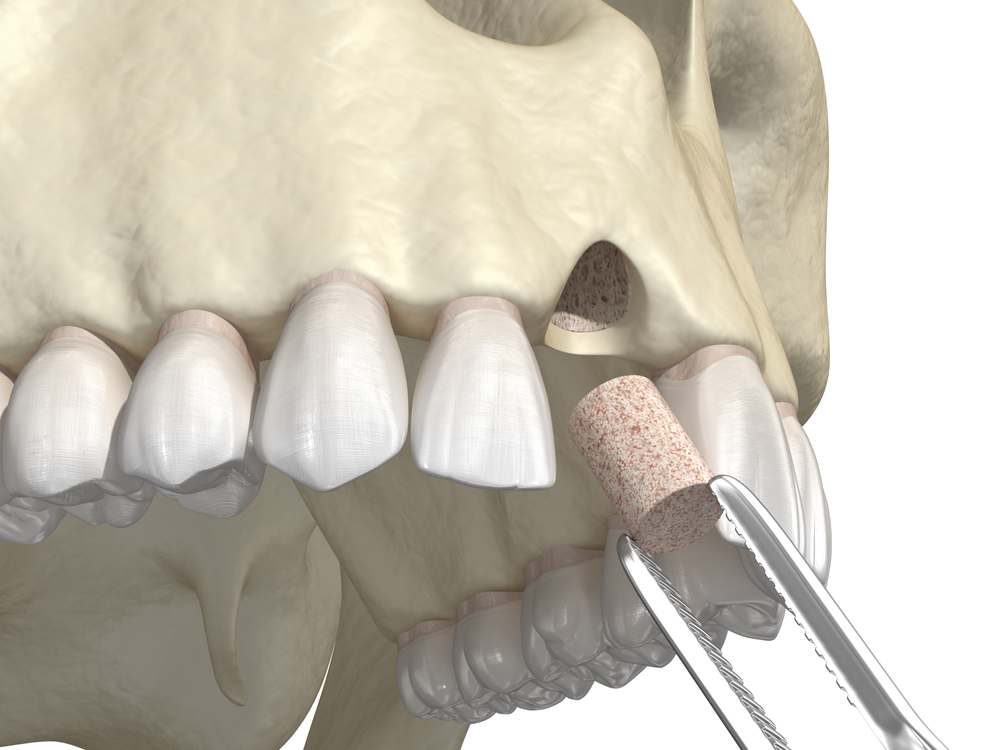
Sinus augmentation, often referred to as a sinus lift procedure or sinus lift surgery, is a type of bone grafting procedure designed to increase the amount of bone in the upper jaw, specifically in the area of the premolar and molar teeth.
Over time, the jawbone in this area can deteriorate due to various factors, making it insufficient for implant placement. This additional bone graft material is necessary to support dental implants, ensuring their stability and longevity.
Sinus lift surgery effectively restores lost bone density in the upper jaw, which is crucial for providing a stable foundation for dental implants. By adding bone graft material to the sinus cavity, this procedure encourages the regeneration and growth of new bone tissue.
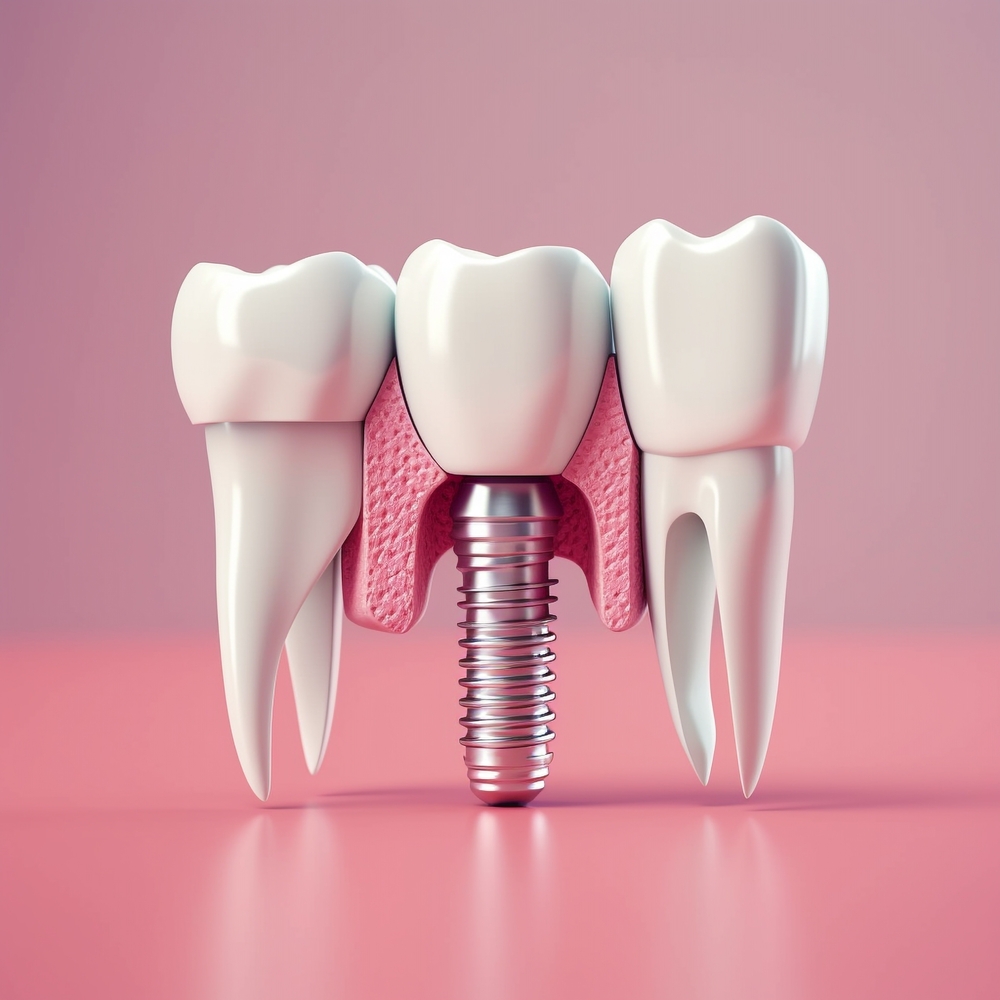
By increasing bone volume in the posterior maxilla, sinus lift surgery creates optimal conditions for the successful placement of dental implants. It ensures that there’s adequate bone support to anchor the implants, reducing the risk of implant failure or accidental piercing of the maxillary sinus, and providing long-term stability for prosthetic teeth.
The enhanced bone support resulting from the sinus lift procedure contributes to improved oral health and function. It facilitates better chewing ability, speech articulation, and overall oral function, allowing you to enjoy a wider range of foods and activities.
Beyond functional benefits, undergoing a sinus lift procedure also has aesthetic advantages. By restoring bone volume and providing support for the cheeks, sinus lifts help maintain facial contours and prevent the sunken appearance that can occur due to bone loss in the upper jaw. This contributes to a more youthful and attractive facial appearance.
The sinus lift procedure typically yields long-lasting and durable results, providing a stable foundation for dental implants. With proper oral hygiene and regular dental care, the augmented bone can support dental implants for many years, ensuring a reliable solution for missing teeth.
You may qualify for a sinus lift procedure if any of the following apply to you:
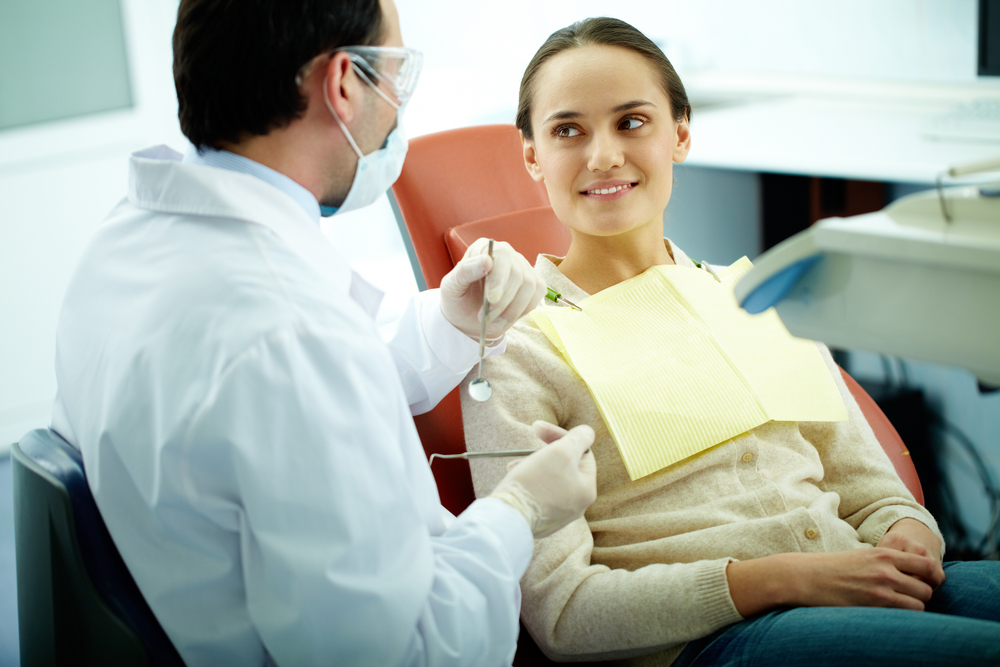
Before you’re approved for a sinus lift procedure, you’ll have an initial consultation with one of our Pearland dentists. During your initial consultation at Pearland Dental Group, Dr. Dave or Dr. Shah will thoroughly evaluate your oral health, discuss your goals, and determine if you’re a suitable candidate for sinus lift surgery. They’ll also explain the procedure in detail and address any concerns you have.
Using advanced imaging techniques, such as cone-beam computed tomography (CBCT), our team will carefully plan the sinus lift procedure. This ensures precise execution and minimizes potential risks.
Before the procedure, you may be prescribed antibiotics and anti-inflammatory medications to prevent infection and reduce swelling. You’ll also receive instructions on how to prepare for the surgery.
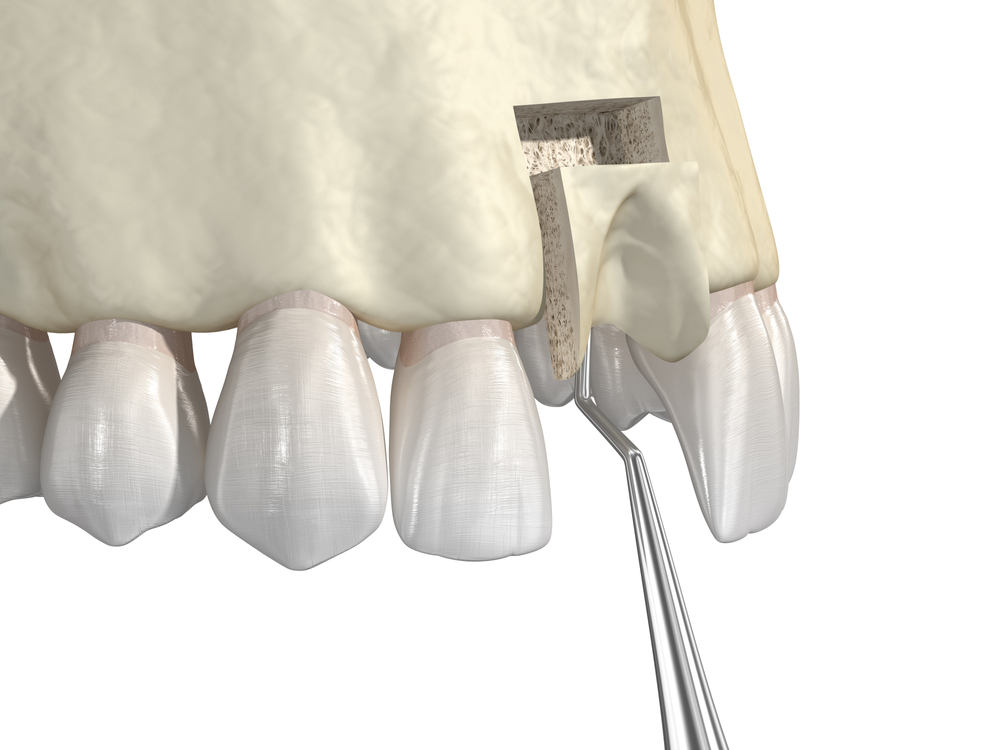
The sinus lift procedure is typically performed while you’re under local anesthesia for your comfort. During the sinus lift surgery, a small window is created in the bone beneath the sinus, and the sinus membrane is gently lifted.
Bone graft material, often obtained from a donor or synthetic source, is then carefully packed into the space. This bone graft material will integrate with your existing bone over time, providing a sturdy foundation for dental implants.
The duration of the procedure can vary depending on the complexity of the case, but it typically takes between one to two hours to complete. Your dentist will provide an estimate during your consultation.
While some discomfort and swelling are expected after the procedure, local anesthesia and prescribed pain medication help manage any potential pain. Most patients report only mild discomfort, which subsides within a few days.
The recovery period can vary, but most patients experience significant improvement within two to three weeks. However, it may take several months for the bone graft to fully integrate with your existing bone before dental implants can be placed.
A sinus lift may be covered by dental insurance under certain circumstances, but coverage varies depending on the individual’s insurance plan and the specific details of the procedure.
In many cases, insurance companies consider the sinus lift procedure a necessary part of the dental implant process and may provide coverage for a portion of the cost. Check with your insurance provider to understand your coverage options and potential out-of-pocket expenses.
If you’re a resident of Pearland, TX, or the surrounding areas such as Fresno, Houston, Alvin, or League City, TX, and have been told you lack sufficient bone density for dental implants, don’t hesitate to explore the transformative power of a sinus lift procedure.
At Pearland Dental Group, our experienced team, led by Dr. Rushi Dave and Dr. Mili Shah, is committed to restoring your smile and confidence. Call us today at (281) 993-9900 to schedule a consultation and take the first step towards a brighter, healthier smile.


Our clinic offers all kinds of services and constantly study new
technology to add new custom services to the list
Phone: (281)993-9900
Address: 1812 E. Broadway St. Pearland, TX 77581
Copyright © 2021 Pearland Dental Group | Managed by Now Media Group