1812 E. Broadway St.
Pearland, TX 77581

Are you looking for a reliable solution to restore your smile and improve your dental function? Look no further than dental bridges at Pearland Dental Group. These versatile restorations from our Pearland, TX, restorative dentists can fill the gaps in your smile and provide lasting stability and aesthetics. Learn how fixed dental bridges can improve your smile by calling our dental office near you at (281) 993-9900.
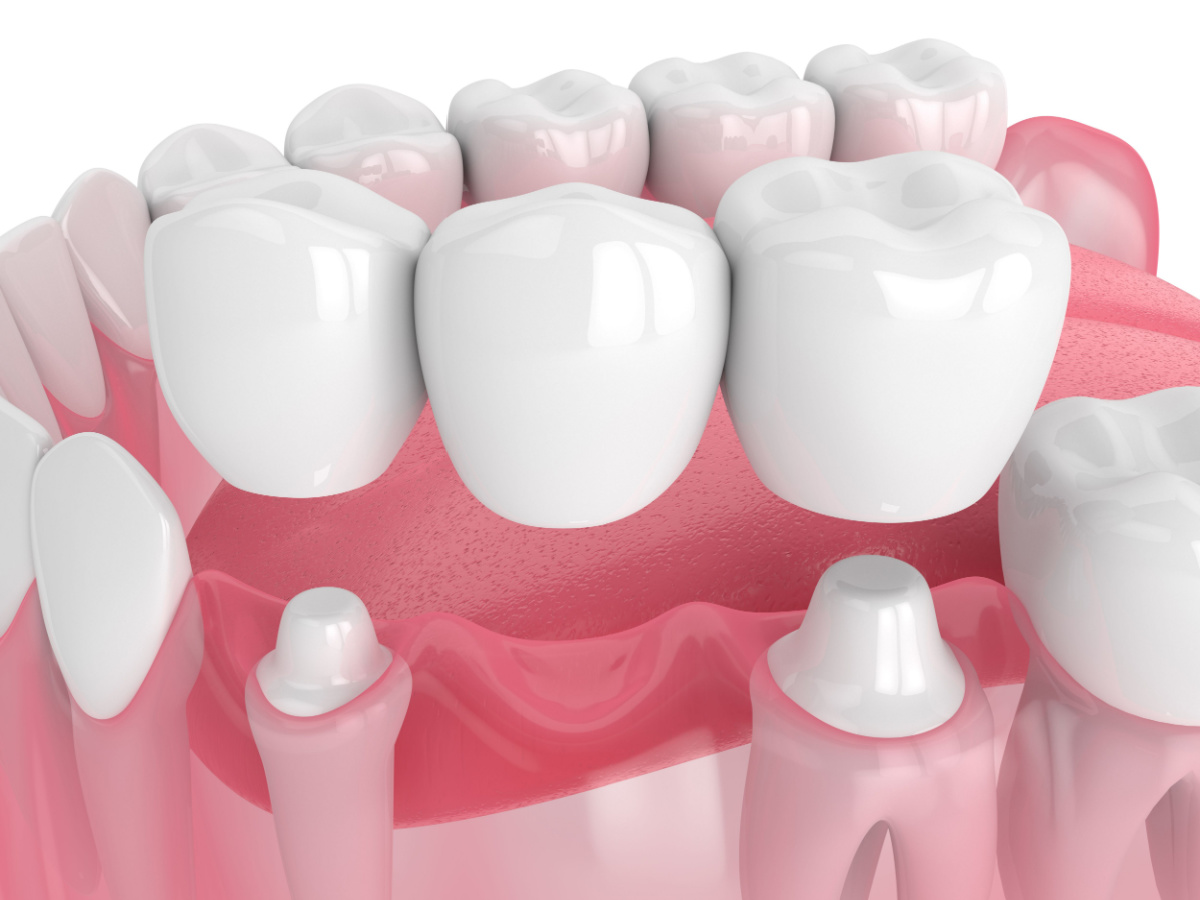
Dental bridges consist of false teeth (pontics) joined to dental crowns on either side of the gap or end. These artificial tooth crowns anchor to adjacent healthy teeth or dental implants, effectively ‘bridging’ the gap left by missing teeth and restoring the aesthetics of your smile.
Some of the many benefits of dental bridges include the following:
Dental bridges are typically recommended for individuals with one or more missing teeth, provided they have suitable adjacent teeth or dental implants to either replace missing teeth or support the bridge.
In the case of traditional bridges, the supporting teeth need to be strong enough to support the bridge. This means they should be free of decay and gum disease and have good bone support. If the adjacent teeth are compromised, they might not be suitable as abutments for most dental bridges or require treatment first.
Traditional bridges are generally suitable for replacing one to two remaining teeth or three adjacent missing teeth. If more teeth are missing, or they’re spread out, other options like partial dentures or dental implants might be more appropriate.
Patients should have good oral and dental hygiene habits or be willing to improve them. A fixed dental bridge requires meticulous cleaning around and under the false tooth/teeth.
Patients with untreated gum disease might not be good candidates for a dental bridge until the gum issues are addressed.
The way the upper and lower teeth come together (the bite) can influence the success of a bridge. If there are significant bite issues, they might need to be addressed either before or in conjunction with a bridge placement.
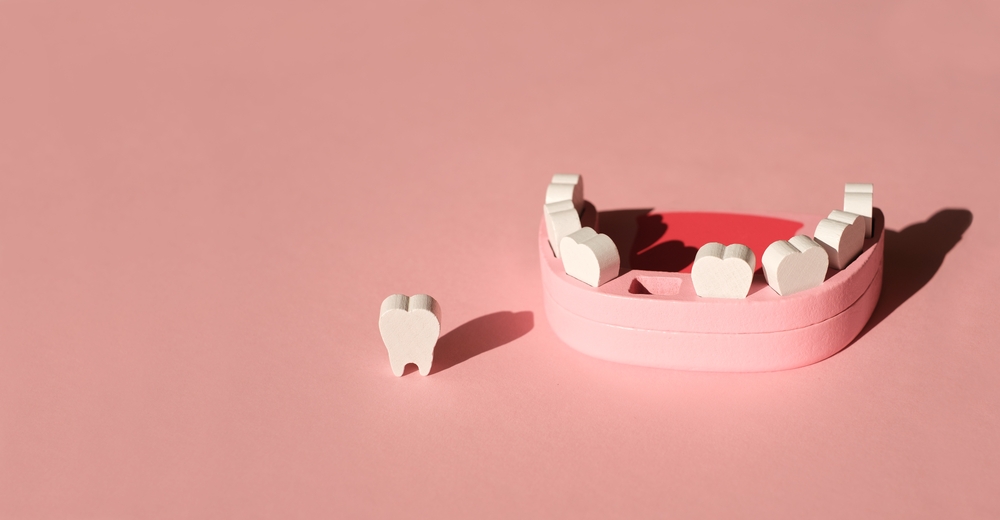
If a tooth has been missing for a long time, there can be significant bone loss in that area. While this doesn’t necessarily preclude someone from getting a bridge, it might make other restorative treatment options, like implants, more challenging without additional procedures like bone grafting.
Proper oral hygiene practices, including regular brushing, flossing, and dental check-ups, are essential for the success and longevity of crowns. Candidates should be committed to maintaining good oral health.
Before getting your new, permanent dental bridge, you’ll attend an initial consultation with your Pearland cosmetic dentist. They’ll have a detailed discussion with you to understand your needs and preferences and determine if a dental or permanent bridge is the best solution for your multiple missing teeth now. Your consultation is a great time to ask any questions or voice any concerns you may have.
If any damaged or decayed teeth need to be removed, your Pearland dentist will extract them. Patient comfort and safety are ensured with the use of a local anesthetic. We also offer sedation dentistry options to further relax you and keep you pain-free.
Detailed impressions of your teeth will be taken. These impressions will ensure that the existing teeth and your custom-made fixed dental bridge fit perfectly with neighboring teeth.
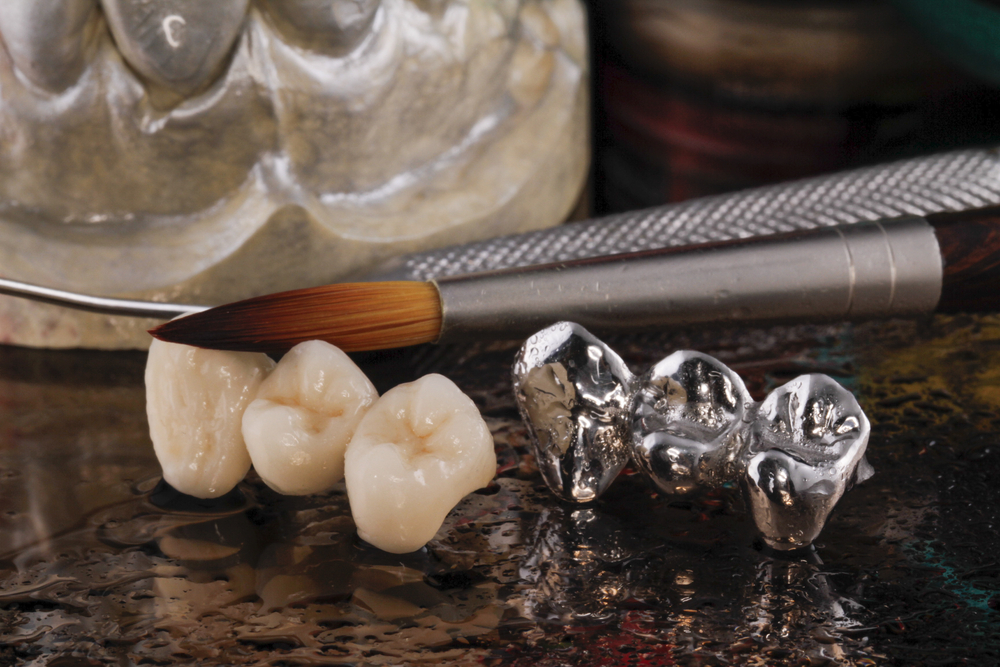
Skilled technicians will carefully craft your dental bridge using advanced techniques and high-quality materials. They’ll follow your Pearland dentist’s specifications to ensure optimal aesthetics and functionality.
Your Pearland dentist will show you your new bridge and make sure it’s to your liking. Once we have your approval, your dentist will begin installing your dental bridge. They’ll make precise adjustments to ensure a comfortable and secure fit of artificial teeth, allowing you to chew, speak, and smile naturally with renewed confidence.
No, getting a dental bridge doesn’t hurt. Dentists prioritize patient comfort, ensuring a smooth experience. Local anesthesia and in some cases, sedation are used to minimize any discomfort during the process.
Insurance coverage for dental bridges varies. While some dental insurance plans offer full, partial, or no coverage, check your policy details beforehand. Your dental office can help navigate insurance matters, clarifying coverage and potential out-of-pocket expenses.
The duration of getting a dental bridge depends on various factors, including the type of dental bridge procedure and the individual’s specific case. Typically, the process involves multiple appointments, including consultation, preparation, and final placement. Your dentist ensures each step is thorough for optimal results, tailoring the timeline to individual needs.
Dental bridges, when properly cared for, can last a decade or more. Regular check-ups help ensure the longevity of their various dental appliances and bridges. Regular dental care significantly contributes to the extended lifespan of these transformative dental solutions.
Dental bridges offer a durable and aesthetically pleasing solution for replacing missing teeth, restoring both function and confidence in your smile. Whether you opt for a traditional, cantilever, Maryland, or implant-supported bridge, you can trust in the skill of our dental professionals to deliver exceptional results.
Say goodbye to gaps and hello to a complete, healthy smile with dental bridges at our Pearland practice. Schedule your consultation today by dialing (281) 993-9900, and asking about financing your dental bridges today. Take the first step towards a brighter, more confident you. We’re proud to serve patients from Pearland and surrounding areas such as Fresno, Houston, Alvin, and League City, TX.




Our clinic offers all kinds of services and constantly study new
technology to add new custom services to the list

Phone: (281)993-9900
Address: 1812 E. Broadway St. Pearland, TX 77581
Copyright © 2021 Pearland Dental Group | Managed by Now Media Group